Voices from DIGITAfrica: Prof. Dr. Ing. Narjès Bellamine Ben Saoud on Empowering Women and the Next Generation of Digital Researchers
As part of our “Voices from DIGITAfrica” campaign, we highlight the experiences and perspectives of women researchers across the DIGITAfrica consortium who are contributing to Africa’s digital research and innovation landscape, while inspiring the next generation to pursue their own paths in STEM.
For the second story in the series, we are delighted to speak with Narjès Bellamine Ben Saoud, Professor at the National School of Computer Sciences (ENSI), University of Manouba, Tunisia, and Director of the RIADI Laboratory.
From her academic journey and leadership experience to her participation in Deep Learning Indaba 2026 in Lagos, Prof. Narjès reflects on the experiences and values that have shaped her path in research: perseverance, lifelong learning, collaboration and knowledge-sharing. She speaks about the power of human-centred, multidisciplinary and cooperative research, the importance of building meaningful connections across Africa, and the role of opportunities such as DIGITAfrica in empowering the next generation. Her story is a reminder that research is not only about knowledge, but also about people, collaboration and the determination to keep building towards the “Africa we want.”
Read the full interview below.
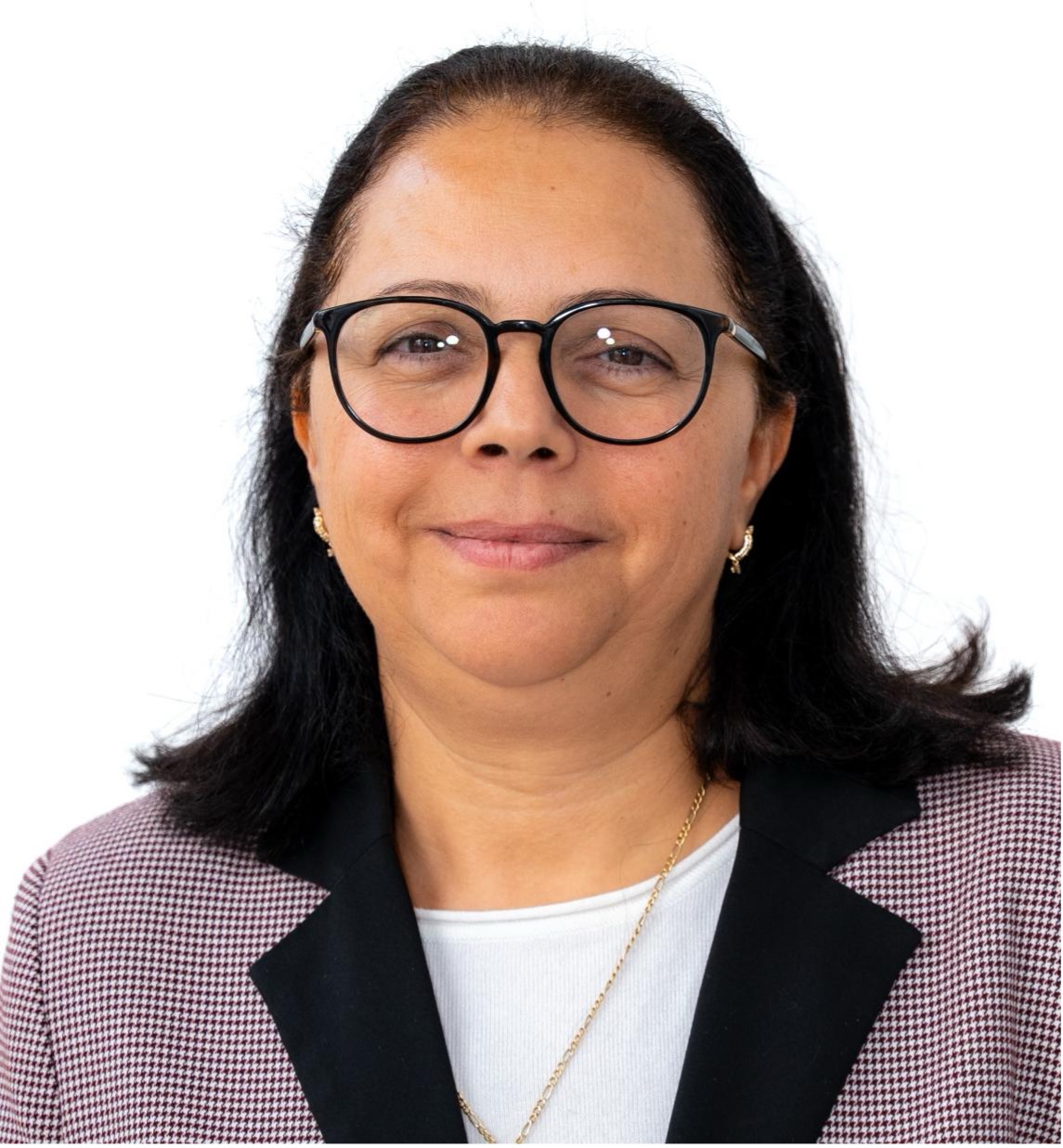
Narjès Bellamine Ben Saoud
Professor at ENSI & Director of the research laboratory RIADI, ENSI, University of Manouba, Tunisia
1. Could you briefly introduce yourself and tell us about your academic and professional journey?
I am a Full Professor in the Department of Decision and Information Systems at the National School of Computer Sciences (ENSI – École Nationale des Sciences de l’Informatique), part of the University of Manouba, Tunisia. I am currently the Director of the Laboratory of Research in Software Engineering & Applied, Distributed and Intelligent Computer Science (RIADI – LR99ES26) at ENSI. I also served as the elected Director of ENSI for two terms, from December 2017 to July 2024.
My academic journey began in Tunisia and continued in France, where I received a scholarship after completing my baccalaureate with highest honours. I obtained my engineering degree in Computer Science and Applied Mathematics and my Master of Advanced Studies (DEA) in Computer Science from ENSEEIHT – National Polytechnic Institute of Toulouse in 1993. I then earned my PhD in Computer Science from the University of Toulouse 1 in 1996 and completed a postdoctoral year at the Institut d’Astrophysique Spatiale, in Orsay, in 1997.
Since joining the university in Tunisia in 1997, I have progressed from Assistant Professor to Associate Professor and, since 2017, to Full Professor. One important milestone in this journey was earning my University Habilitation from ENSI in 2007.
2. What inspired you to pursue a career in research and innovation?
Since the beginning of my career, I have been very inspired by the “universe” with its complexities and paradoxes and the amazing “place” of us humans on one side and “computer science” as a “magic” tool enabling us to manage such complexities for “humanity’s well-being”.
I’m always looking forward to understanding and explaining complex socio-technical-cultural systems in order to contribute to designing and developing responsible collaborative systems beneficial for humans, societies and the environment.
I’m pursuing a career in research and innovation in order to enjoy the lifelong collaborative learning journey with my peers and students.
3. Looking back at your career, what experiences, opportunities, or mentors have had the greatest impact on your professional growth?
Looking back on my «long» career, I went through many experiences at different stages of my life. I worked with very humble and great researchers who had a great impact on my professional growth. During my first and second years in France, which I spent in the preparatory classes at Lycée Pierre de Fermat Toulouse, I learned that we must always keep «walking» and «building our own paths» towards our objectives and never stop working and learning. We need to have clear goals and never be afraid to understand problems in order to turn them into opportunities. Perseverance always pays off.
Later, during my PhD, I learned that human-centered, multidisciplinary and cooperative work are fundamental pillars of the success of impactful and responsible computer science research. In fact, during my PhD, I had the chance to be a member of many teams and to be highly involved in international projects with astrophysics researchers, cognitive science specialists and computer science teams.
In addition to positive experiences, «bad ones» have a great impact too! In fact, I struggled in my career when «I failed» to get the promotion from Assistant to Associate Professor in my first attempt at the national competition! At that moment, during almost five years, I felt very sad, but I kept working and exploring the various causes (subjective and objective ones), their intricacies, and worked to solve them! Collective and social intelligence are crucial for a researcher’s career.
Concerning my mentors, instead of giving their names, allow me to cite their human values: humility, generosity, curiosity, respect and kindness. I’m deeply grateful to all the great inspiring women and men I’ve worked with who became for me like «mothers» and «fathers» in my professional career as a responsible computer scientist!
Now, in my everyday professional life, I believe that a «good mentor» is the one who helps the «mentees» to continuously nurture self-confidence, trust and passion in co-learning, co-building and sharing while developing their own unique paths!
4. You recently participated in Deep Learning Indaba 2026, one of Africa’s leading AI and machine learning events. What were your main reflections from the event, and how do you think initiatives like this can inspire and support the next generation of researchers?
I’ve spent an unforgettable week at Deep Learning Indaba 2026!
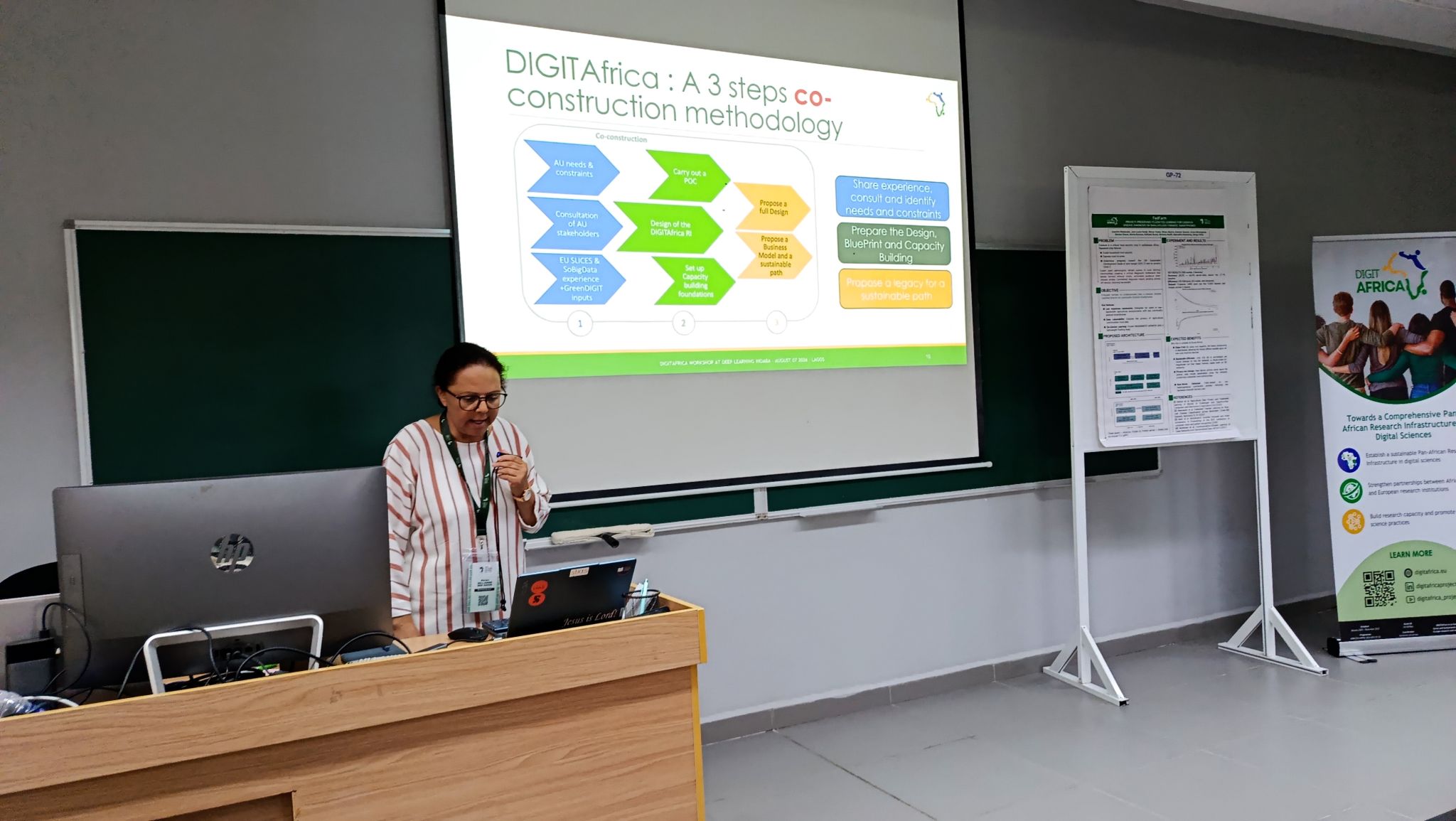
I’m very happy and honored to have participated actively in DLI2026, where, in addition to all the nice discussions I had there, I served as a member of the panel dedicated to the «Faculty Discussion Session on the linkages between academia and industry», followed by an interactive session with early-career faculty members through the «faculty mentorship session». I also enjoyed acting as a poster judge and having very insightful exchanges with researchers presenting their posters, with a special focus on African applications and problems. Last, but not least, as co-organizer of the workshop «Building Africa’s Digital Future: A pan-African Research Infrastructure in Digital Sciences — blueprinting sovereign AI/ML capacity and next-generation connectivity across the continent», we presented our project DIGITAfrica and made a call for action in order to build a larger community and engage stakeholders in concrete collaborations!
Allow me to briefly provide what I believe are the main indicators showing the relevance and importance of such an African annual event! In fact, Deep Learning Indaba, which emerged in 2017 in South Africa, took place this year in Lagos, Nigeria, from the 2nd to 7th of August 2026. It was an excellent scientific event, involving 855 on-site registered participants and 416 virtual participants (including ~40% female on-site participants) coming from 66 countries, including 50 African countries.
I believe that initiatives like DLI are very effective and efficient for sustainable community building and are sources of great inspiration and support for the next generation of researchers all over the world, with a tight connection to Africa and African researchers. This is an exemplary event for successful scientific-community building; in my opinion, such «success secrets» are, first, its highly engaged volunteer organising teams belonging to the evolving community they are building; second, the very rich and varied programme offered each year; and finally, the self-management of the whole built on sharing, pride and belonging values.
In fact, the week combined hands-on core technical skills through tutorials with keynote discussions centred on African AI research, contextualisation, and sustainability, and deep-dive workshops on up-to-date topics, a start-up pitch session, etc. Also, «the Research in Africa Day» marked me as an outstanding poster session where more than 200 posters showed the vibrancy and diversity of ideas. All this is complemented by the Mentorship sessions that ran throughout the week, with strong engagement even in early-morning slots.
The 2026 Indaba Awards moments marked me too where we traveled through Africa, learn more about great African builders while celebrating the current winners: Cheikh Anta Diop – early-mid career award, Wangari Maathai – Impact award, Thamsanqa Kambule – Doctoral award, Grace Alele-Williams – Masters award, Best paper award, Best poster award, Best Dataset, Best Start-Up, …
I went back with great souvenirs, new friends & connections and huge proud of being african and great confidence in the «Africa we want»!!
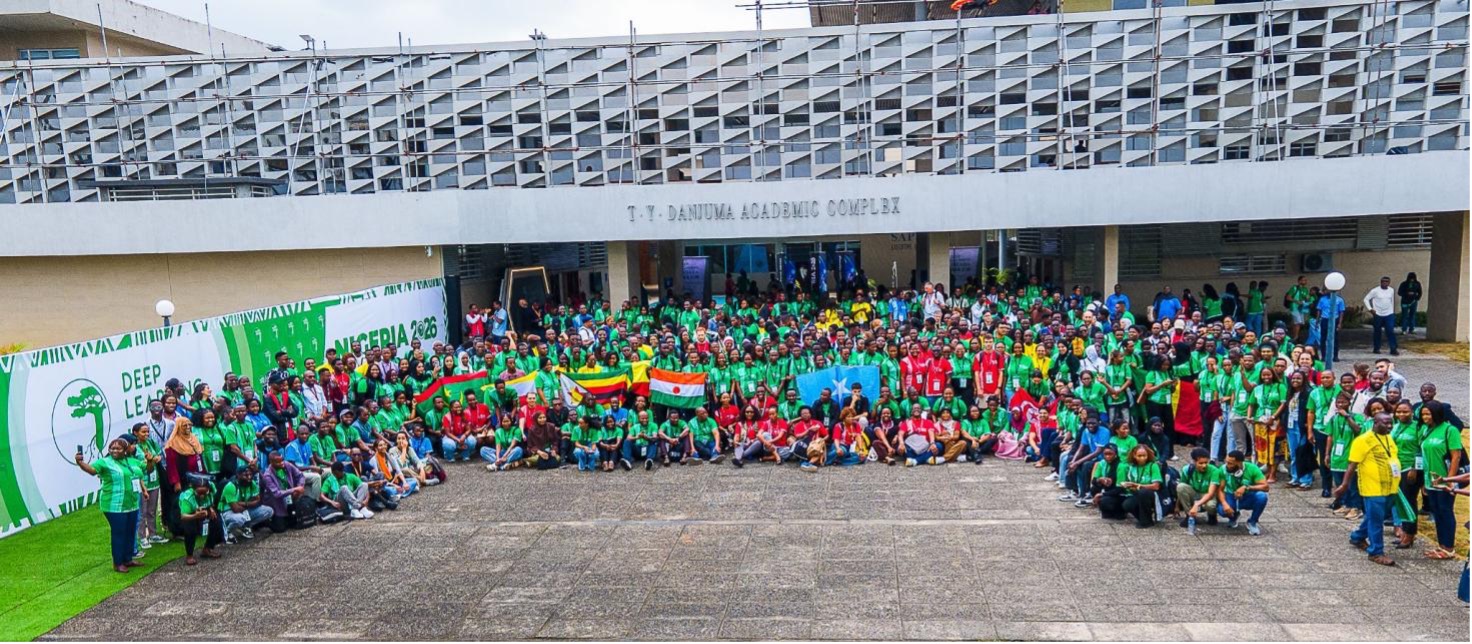
Group photo - DLI 2026 - LinkedIn DLI
5. As former Director of ENSI, you have played an important role in supporting the development of the next generation of digital researchers. In your view, what role can initiatives such as DIGITAfrica play in this process?
An initiative such as DIGITAfrica is an excellent and concrete action towards contributing to building the «Africa we want»! It is a unique showcase of collaboration of peers to co-evolve and focus on sharing experiences, resources, results, sustainable networks of networks, … where the next generation of digital researchers are highly involved to co-build the continent’s future!
I’m deeply grateful and thankful to the project initiators, particularly Professor Serge Fdida, who invited us to join as a member of the project and who now plays a brilliant role in managing the whole consortium.
I’m sincerely thankful to all the project members and contributors, particularly Emeritus Professor Farouk Kamoun, leading the Tunisian scientific team.
6. What changes would you like to see in African research and innovation ecosystems to better support young researchers, especially women, in reaching their full potential?
I would very much like to see African research and innovation ecosystems connecting to each other and stopping the current multi-level and multi-scale fragmentation! We really need to have one network-of-networks federating all stakeholders (beneficiaries, citizens, researchers, institutions,… ), connecting resources (data, applications, infrastructure) and empowering the next generations!
Being inclusive and acting equally with all «kids» through education and healthcare would enable boys and girls to reach their full potential for sure!
7. What advice would you give to the next generation of researchers who aspire to pursue a career in research and innovation?
Be curious, focus on «clear objectives», stay patient and enjoy, but never stop dreaming and never give up! Be collaborative, intelligent and generous in sharing knowledge through your «evolving networks»! Passion, perseverance, and organisation are very powerful if you aspire to pursue a research and innovation career!