
Voices from DIGITAfrica: Dr. Esther Khakata on Empowering Women and the Next Generation of Digital Researchers
Continuing our mission to inspire by sharing the stories, experiences and perspectives of women shaping the future of research and innovation in Africa, we are delighted to present the fourth edition of “Voices from DIGITAfrica”, featuring Dr. Esther Khakata, Associate Dean of Research & Innovation at the School of Computing and Engineering Sciences, Strathmore University, Kenya.
As the first woman to earn a PhD in Information Technology from her School at Strathmore University, Dr. Khakata has built a career dedicated to research, education and advancing opportunities for women in STEM. In this interview, she reflects on the challenges and milestones that have shaped her journey, the importance of mentorship in empowering young women, and the changes needed to create more inclusive research and leadership opportunities across Africa.
She also shares her perspective on how universities and collaborative initiatives such as DIGITAfrica can strengthen research capacities, foster international collaboration and support the next generation of African researchers and innovators.
Read the full interview below.
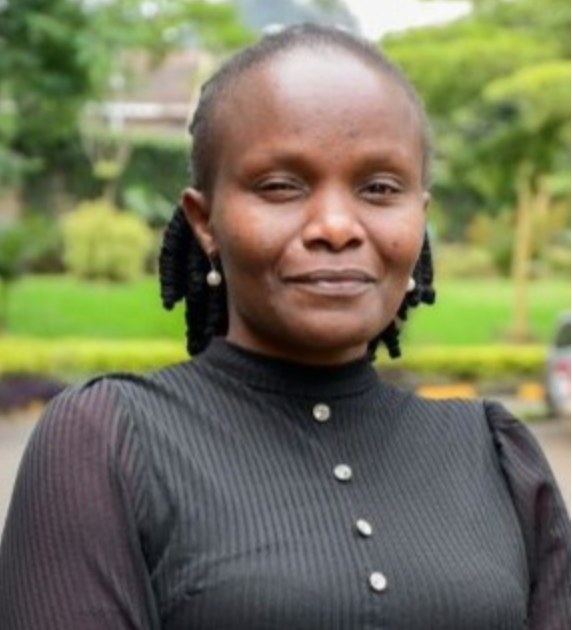
Dr. Esther Khakata
Associate Dean of Research & Innovation at the School of Computing and Engineering Sciences (SCES), Strathmore University
1. Could you briefly introduce yourself and tell us about your academic and professional journey? What inspired you to pursue a career in research and innovation?
My name is Dr. Esther Khakata, and I currently serve as the Associate Dean of Research & Innovation at the School of Computing and Engineering Sciences (SCES), Strathmore University. I am a Senior Lecturer in Computer Science, a passionate educator and researcher as well. My journey in academic leadership and computer science has been driven by a profound wonder on how technology can transform societies, solve our African challenges, and bridge the existing divides across the continent.
2. As the first woman to earn a PhD in Information Technology from Strathmore University’s School of Computing and Engineering Sciences, you reached an important milestone. Looking back, what were the defining moments or challenges that shaped your journey, and what helped you overcome them?
Being the first woman to earn a PhD in Information Technology from the SCES at Strathmore University was both a privilege and a profound responsibility. The journey was shaped by moments of intense rigor, navigating a great deal of systemic biases in higher technical education, and balancing demanding academic workloads with professional and family responsibilities. Overcoming these defining hurdles required relentless resilience, deep faith, unwavering perseverance, and a firm determination to prove that girls and women in STEM belong at the absolute forefront of technical scholarship.
3. Mentoring female students and colleagues is an important part of your work. What role do you believe mentorship plays in helping women overcome barriers and advance in their careers in STEM?
Mentorship is essential because it dissolves the invisible barrier of imposter syndrome faced by many women and girls and offers our young women a clear, actionable path for career advancement in STEM fields. By offering them honest guidance, exposing my mentees to research networks, and championing their achievements, mentors can help our female students and early-career colleagues navigate workplace dynamics, build technical confidence, and step boldly into leadership roles.
4. As Associate Dean – Research and Innovation at STR, how can universities and initiatives such as DIGITAfrica help strengthen research capacities and create opportunities for young African researchers?
Academic institutions and collaborative initiatives like DIGITAfrica play a key role by demystifying high-impact research, providing access to essential digital infrastructure, and securing research funding for young scholars. By facilitating cross-border research networks, offering hands-on mentorship, and promoting publishing opportunities, we can build robust local capacity and empower the next generation of African researchers to address pressing regional challenges.
5. Looking ahead, what do you believe needs to change within Africa’s research and innovation ecosystem to ensure that more women can not only enter STEM fields but also progress into research and leadership positions?
To ensure women not only enter STEM but also transition into sustained research and executive leadership, Africa’s ecosystem needs a thorough structural reform. This includes instituting gender-responsive funding models, creating supportive institutional policies that accommodate work-life balance for women, eliminating implicit promotion biases, and intentionally placing qualified female scientists at decision-making tables across academic, industrial, and governmental sectors.
6. What is the most important lesson from your journey that you would share with the next generation of researchers, particularly young women?
The single most important lesson I would share with the next generation, especially our young women, is to cultivate unshakeable self-belief and view every obstacle as a stepping stone rather than a stop sign. Do not wait for permission to innovate or speak up; take ownership of your intellectual space, stay deeply curious, build supportive networks, and remember that your unique perspective is always vital to shaping the future of global research.