
Voices from DIGITAfrica: Dr. Bessie Malila on Empowering Women and the Next Generation of Digital Researchers
In this third edition of “Voices from DIGITAfrica”, we are delighted to sit down with Dr. Bessie Malila to explore a research journey shaped by technology, healthcare and a commitment to creating meaningful societal impact.
A Senior Lecturer and Telecommunications Subject Expert at the University of Johannesburg, Dr. Bessie works at the intersection of telecommunications, biomedical engineering and digital health.
Her research explores how 5G/6G, artificial intelligence and telemedicine can contribute to more accessible and equitable healthcare, particularly for rural and underserved communities across Africa.
Recognised among the 100 Heroes featured in the book Science, Technology, and Innovation for the Development of Africa, she reflects on the power of interdisciplinary collaboration, the role of DIGITAfrica in strengthening research and knowledge exchange, and the importance of creating opportunities for the next generation of African researchers — particularly young women in STEM. Her story highlights the value of purpose, resilience and locally grounded innovation in turning technology into meaningful and lasting societal impact.
Read the full interview below.
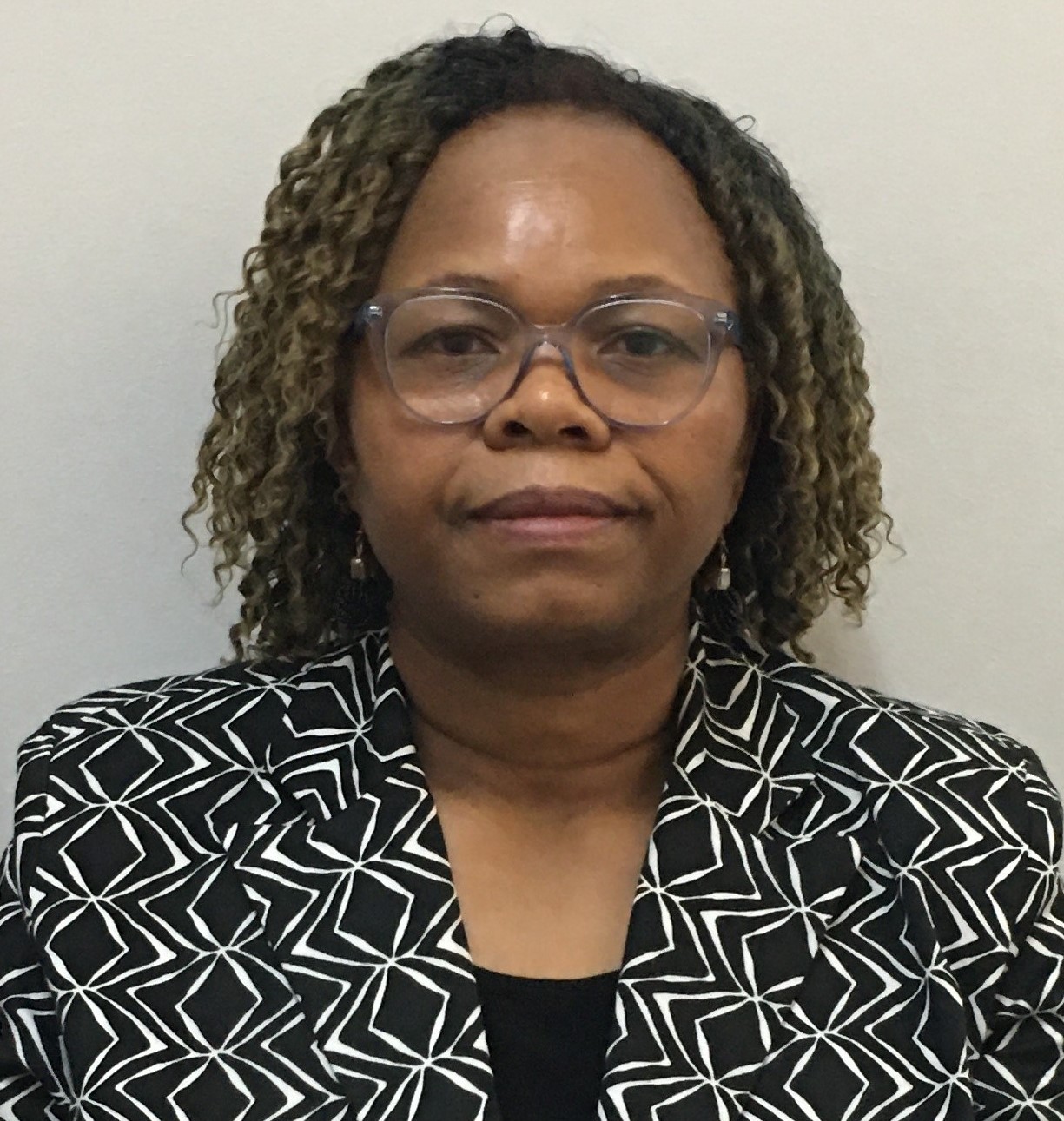
Dr. Bessie Malila
Senior Lecturer, University of Johannesburg
1. Could you briefly introduce yourself and tell us about your academic and professional journey? What inspired you to pursue a career in research and innovation?
I am an academic and researcher with a passion for using technological innovations to strengthen healthcare systems, particularly in Africa. My work sits at the intersection of engineering, health information systems and medicine. I have a passion for improving access to quality, affordable and equitable healthcare for underserved communities in Africa. My academic journey has been driven by a desire to bridge the gap between technology and patient care. Over the years, I have been involved in teaching, research, and leading collaborative projects that explore how technologies such as telemedicine, 5G connectivity, artificial intelligence, and virtual healthcare solutions can support more equitable and resilient health systems.
I am a Senior Lecturer and Telecommunications Subject Expert at the University of Johannesburg. I supervise graduate and postgraduate students in Electrical Engineering, Health Innovation and Biomedical Engineering. I worked for several years in the Telecoms industry before undertaking postgraduate studies in Telecommunications and Biomedical Engineering. I conduct multi-disciplinary research focusing on 5G/6G, AI, Blockchain, Telemedicine and Digital Health technologies; and how these can be leveraged to improve efficiencies in healthcare delivery, especially for rural and underserved communities. I have several national and international collaborations and successfully applied for local and international grants, the most significant being the African Research Initiative for Scientific Excellence pilot Project (ARISE-PP) implemented by the African Academy of Sciences on behalf of the European Union and the African Union (Grant no. DCI-PANAF/2020/420-028).
2. What inspired you to pursue a career in research and innovation?
My strong foundation in communication systems and other emerging technologies, such as AI, initially shaped my path. However, I reached a point where I realised that I could achieve greater societal impact by addressing pressing societal challenges more directly through research and innovation. I believe that technology has its greatest value when it directly improves people’s lives. My work leverages design thinking, solution co-creation and implementation science concepts for maximum societal impact. These experiences have reinforced my belief that meaningful innovation happens when technology is designed around people’s needs and implemented through strong partnerships. Today, my work continues to focus on advancing digital health solutions that are practical, evidence-based, have local context, and capable of making a lasting impact on societies.
3. You have recently been included among the 100 Heroes featured in the forthcoming bookScience, Technology, and Innovation for the Development of Africa: Featuring 100 Heroes, authored by Sekazi K. Mtingwa. What does this recognition mean to you, and how do you hope your story will inspire the next generation of African researchers, particularly young women in STEM?
For me, being included among the 100 Heroes in Science, Technology, and Innovation for the Development of Africa is both deeply humbling and extraordinarily affirming. This also validates and recognises the choices I have made in life, starting with choosing STEM subjects in high school. This recognition also highlights the critical role of digital health and technology in addressing Africa’s most urgent healthcare challenges. The recognition is less about my personal achievement but more about the recognition that African researchers are leading world-class research and innovation that is actively happening here in Africa. I hope that my story serves as a reminder to the next generation of researchers—and particularly to young women in STEM that it is possible to breakdown the unspoken barrier of “can I do this?”; and that is possible to leverage their strong technical foundations to directly solve real-world societal problems in their communities by leveraging engineering tools. Furthermore, Africa’s unique challenges drive high-impact transformative solutions relevant not only in Africa globally. Ultimately, I hope to inspire young African women to step boldly into STEM fields, trust their unique visions, and realise that their ideas have the power to transform lives and drive sustainable development across the continent.
4. Your research focuses on applying 5G technologies to digital health in Africa. What motivated you to explore this intersection, and how do you see these technologies improving healthcare access across the continent?
Through my PhD studies I realised that 5G and concomitant technologies such as AI, Big Data and Cloud Computing could significantly improve efficiencies in healthcare delivery and access to care for rural and remote communities. 5G is not merely a faster generation of wireless technologies, but a critical enabler of equitable, accessible and affordable healthcare which could significantly improve health outcomes. This could in the process address the critical shortage of specialist healthcare professionals through Telemedicine and mHealth technologies. However, for me to understand healthcare systems and the delivery of care challenges, I needed to transition to Biomedical Engineering (BME). While traditional telecommunications networks connect people, 5G-enabled networks have the power to bridge health disparities and directly save lives. Through my research, I have come to the realisation that across Africa, geographical isolation, infrastructure deficits, and a shortage of specialized medical personnel present severe barriers for access to quality healthcare. 5G addresses these structural bottlenecks through high data speeds, ultra-low latency, and ultra-high-density connectivity. We have also learnt that in order for our research to have meaningful impact, as engineers, we need to understand the challenges from a perspective of the users, i.e. healthcare professionals and patients. We also need to collaborate with social scientists and leverage Design Thinking, Implementation Science and Solution Co-creation concepts. By pairing 5G capabilities with BME technologies, we can therefore decentralize medical services, move healthcare beyond hospital walls, and ensure that a patient’s geographic location no longer dictates the quality of care they receive.
5. Your work bridges telecommunications and biomedical engineering. How can interdisciplinary collaboration and initiatives such as DIGITAfrica strengthen knowledge exchange and capacity building among African researchers?
DIGITAfrica plays a pivotal role in advancing inter-disciplinary African research that is key in addressing the continent’s societal challenges such as agriculture, energy and health by creating sustainable research infrastructures. These research infrastructures fostering collaboration among African researchers through resource sharing, hence contribute to accelerating innovation that is tailored to the continent’s challenges. The inter-disciplinary collaborations also enable the development of Digital Solutions that neither discipline could achieve in isolation. The DIGITAfrica initiative also presents opportunities for the development of local specialist skills such as Biomedical Engineers at scale, and ultimately reduce the time taken to translate research ideas into innovative solutions.
6. What changes would you like to see in African research and innovation ecosystems to create more opportunities and support for young researchers, particularly women, to develop their careers and reach their full potential?
I think that the creation of more opportunities for young researchers requires an enabling environment where they can thrive. There is need for structural shifts rather than incremental changes in the research ecosystems. There is need to catch young researchers at early stages in life, for example emphasizing uptake of STEM subjects in High School. Collaboration with international research consortia like DIGITAfrica present opportunities for thriving. Such collaborations need to be encouraged at institutional level with universities aggressively identifying or building such consortia for the benefit a lot more young researchers and scientists. Creation of a network of mentors to support young researchers especially from marginalised communities could also increase the pool of potential African researchers. There is also need to create ring-fenced micro-grants and fellowship opportunities specifically for women in STEM, combined with flexible project timelines and institutional support to account for family caretaking responsibilities. There is also need to invest in shared infrastructures such building regional hubs with high-performance computing, advanced digital research infrastructures or test beds, that create platforms for conducting world-class research in collaboration with international without the need to emigrate. This is especially key for women in Africa whose family responsibilities span beyond their spouses and children, who are usually covered by most international grants. Enforcing institutional audits for research leadership roles for female and young researchers across African academic institutions could also lead to more awareness for the need to promote young female researchers.
7. What advice would you give to the next generation of researchers who aspire to pursue a career in research and innovation?
A key advice I can give is for one to cultivate a purpose-driven mindset, embrace interdisciplinary collaboration, and develop resilience. It is important to identify a societal problem that one is keen to solve – for me access to affordable, equitable and accessible healthcare was the pain point I identified. Furthermore, research is never a solo journey. There is need to seek mentors who challenge you, build peer support networks, and actively participate in collaborative research communities both within Africa and globally. My current achievements can be attribute to this strategy. Finally, experience has taught me that innovation requires continuous learning. Experiments will fail, proposals will be rejected, and prototypes will need refining. Treat setbacks as diagnostic data that bring you one step closer to a working solution. Above all, trust the unique value of your perspective. The world needs African-led solutions designed by African researchers who understand local contexts and have the courage to reimagine what is possible.