DIGITAfrica Summer School in IT
The 1st DIGITAfrica summer school was held from 23 to 27 March 2026 at Strathmore University (STR) in Nairobi, Kenya. The aim was to equip students and early career professionals with industry relevant skills that are in high demand. The micro-curriculum was taught through a combination of theory classes and guided practical sessions. The approach to content delivery was micro-credential centered, to target specific technological concepts. Participants chose one of two specialization tracks that ran parallel. The AI & Big data track focused on Artificial Intelligence and its applications, while the Networking & Cloud Computing track focused on automation, 5G and cloud architectures.
The AI & Big data track was convened and managed by DIGITAfrica partners from Barcelona Super Computing (BSC), and University of Amsterdam (UVA). Trainers from BSC were Ulises Cortes, Marta Barroso Isidoro and Sergio Alvarez, while trainers from UVA were Adam Belloum and Zhiheng Yang. This track was attended by 27 learners, who were taken through Introduction to AI for researchers, Fundamentals of Deep Learning, Reinforcement Learning, and big data.
The Networking & Cloud Computing track was attended by 17 learners. It was managed by trainers from Strathmore University (STR), University of Amsterdam (UVA), Sorbonne University (SU), and the French National Institute for Research in Digital Science and Technology (Inria). The trainers were Vitalis Gavole and Humphrey Owuor from STR, Adam Belloum and Zhiheng Yang from UVA, Serge Fdida from SU, and Damien Saucez from Inria. The track features courses on Network automation, cloud computing, and 5G networks. Learners worked through lab exercises that complemented theoretical concepts of the courses taught. During five days, they configured network routers and switches using BASH, configured systems using Ansible and provisioned cloud infrastructure using terraform. They also setup REST-based micro-services, and configured components of the 5G core and RAN using the SLICES-RI platform.
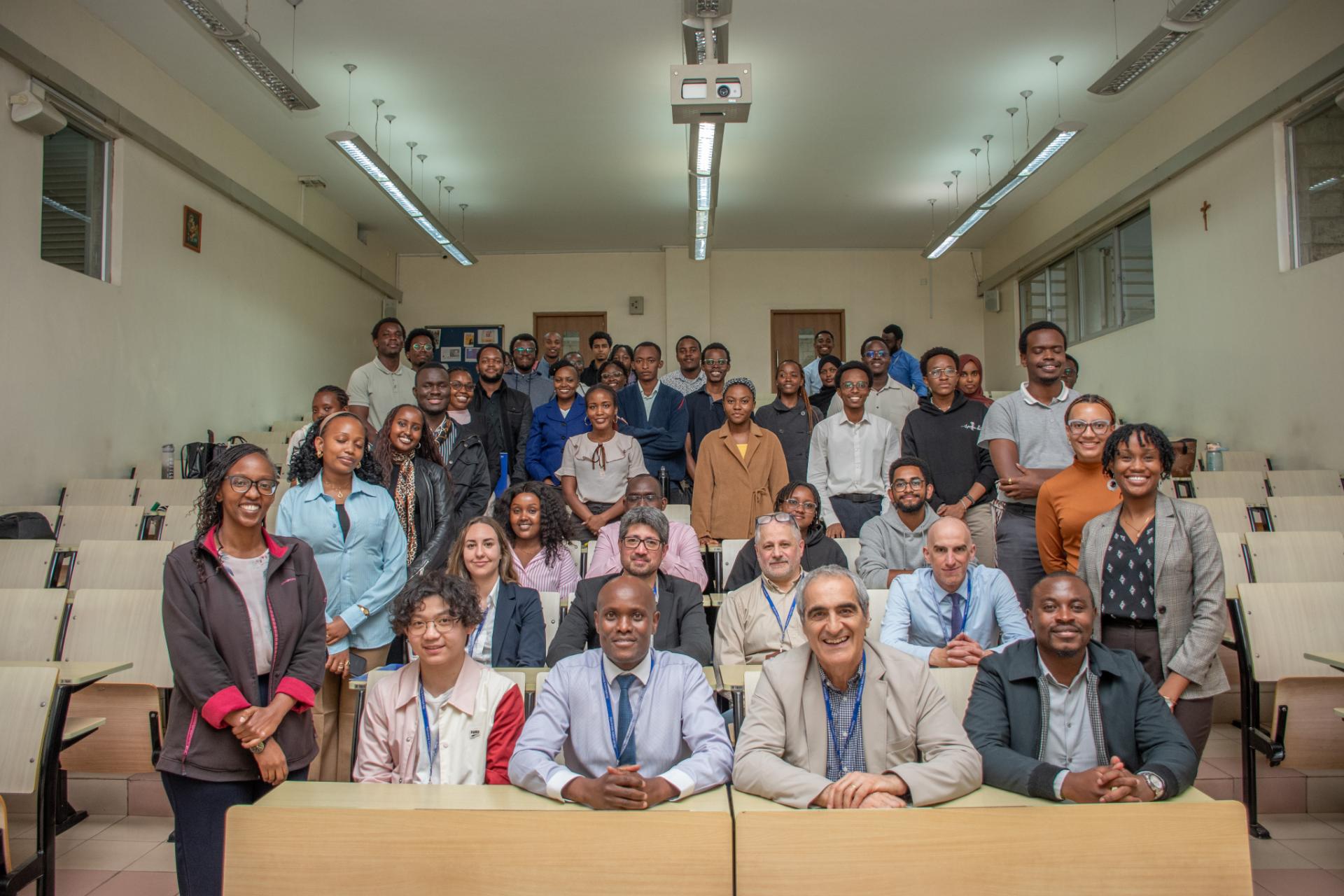
Learners comprised students from Strathmore University and University of Cape Town, recent graduates, as well as early career professionals from government sector and industry in Kenya. 23 female and 21 male learners, i.e., 52% female and 48% male learners attended the summer school. This aligns with the objectives of DIGITAfrica in supporting young and female researchers.
The summer school also featured a panel discussion on day 3. The panel discussed various topics including the impact of advancements in AI on career prospects of graduates of digital science programs, maximizing on micro-credentials to better prepare for industry roles, and research opportunities for young and female researchers.
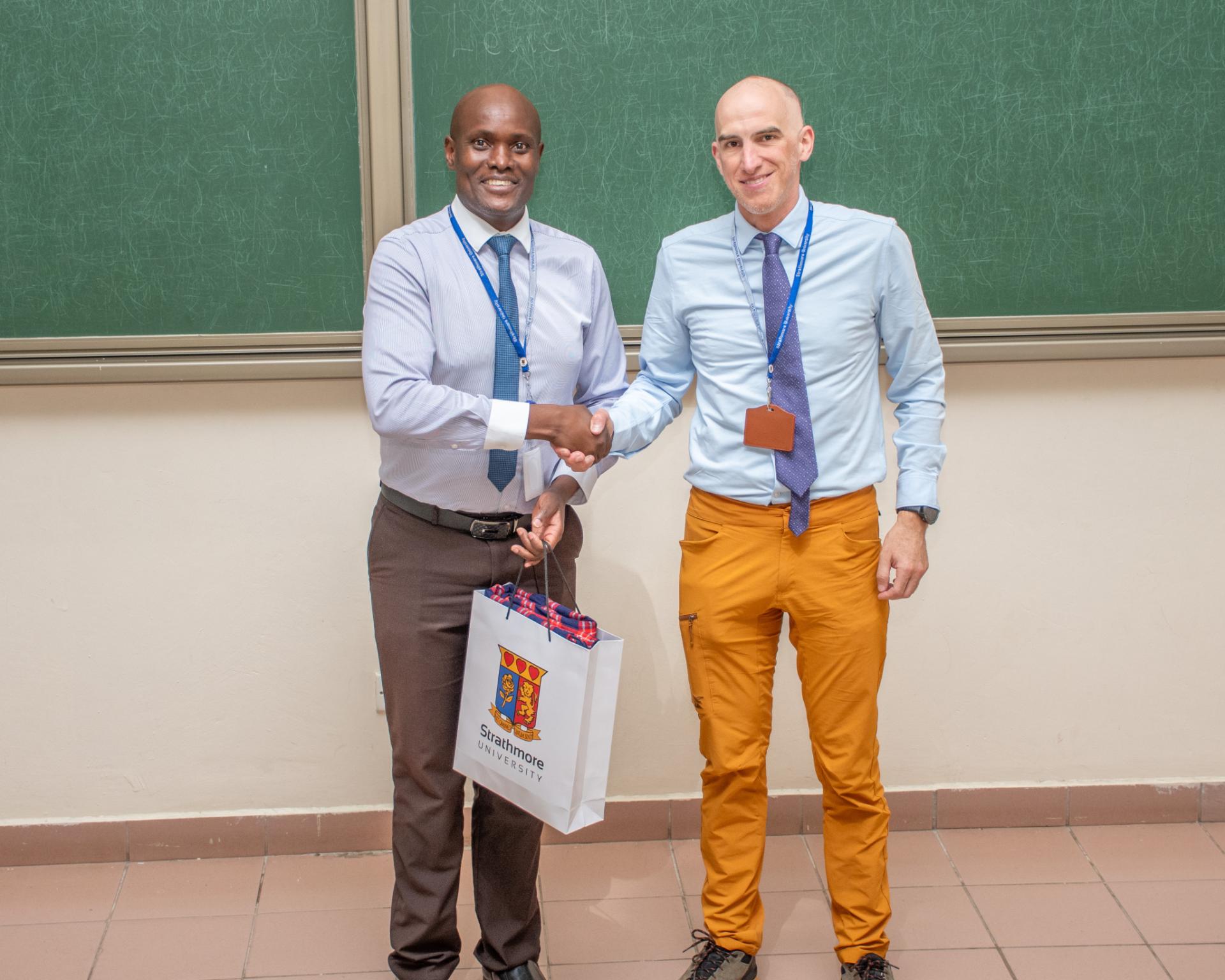
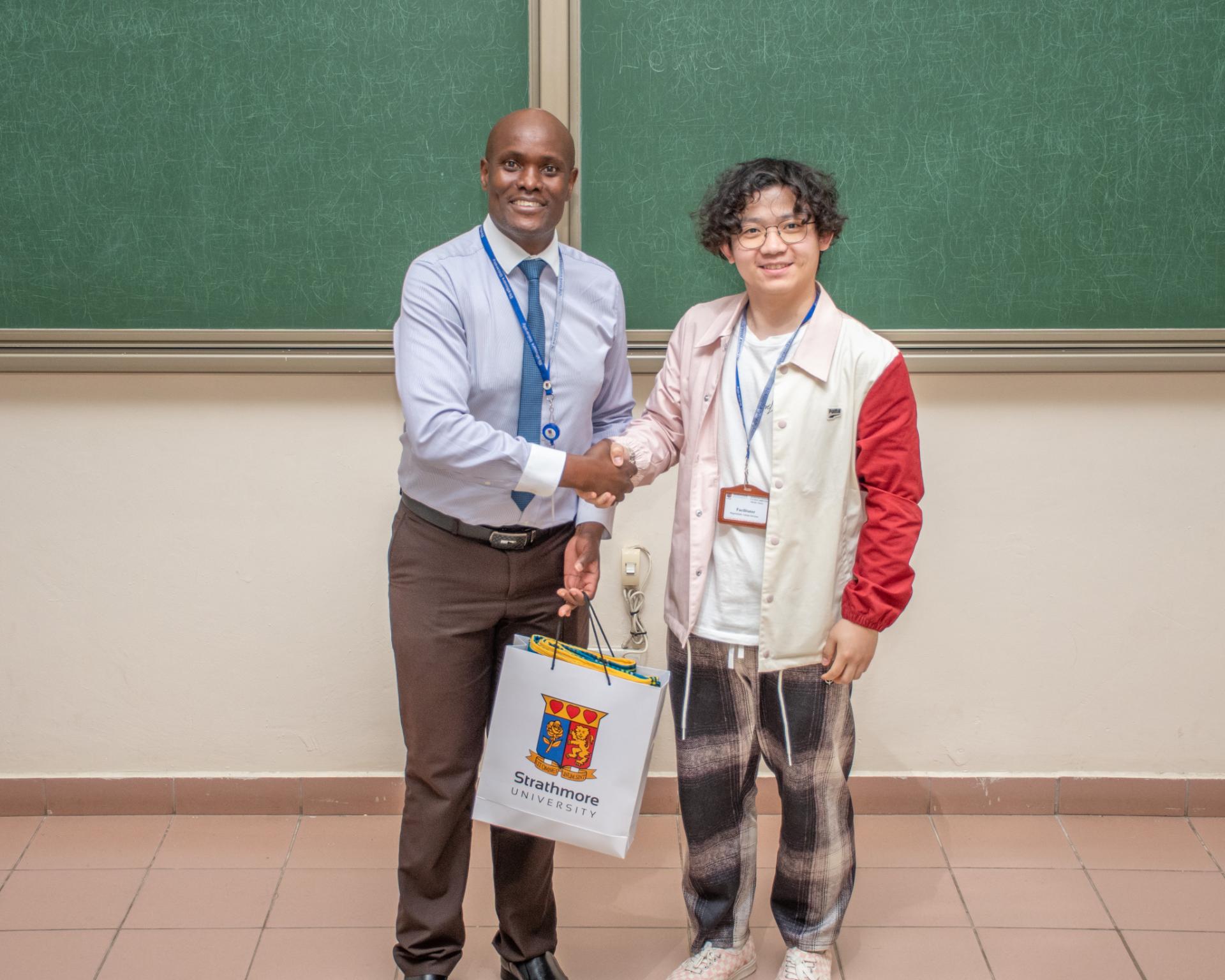
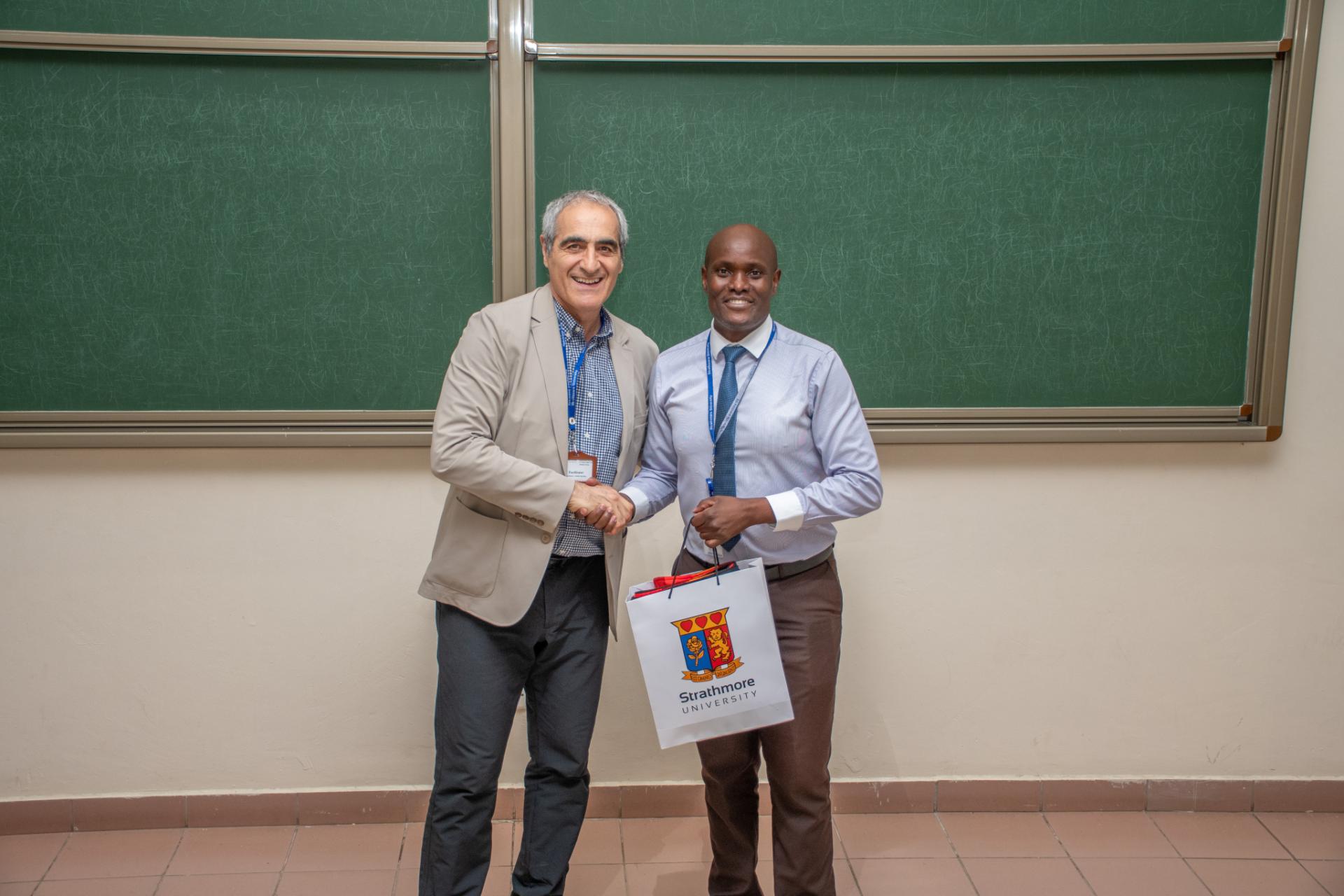
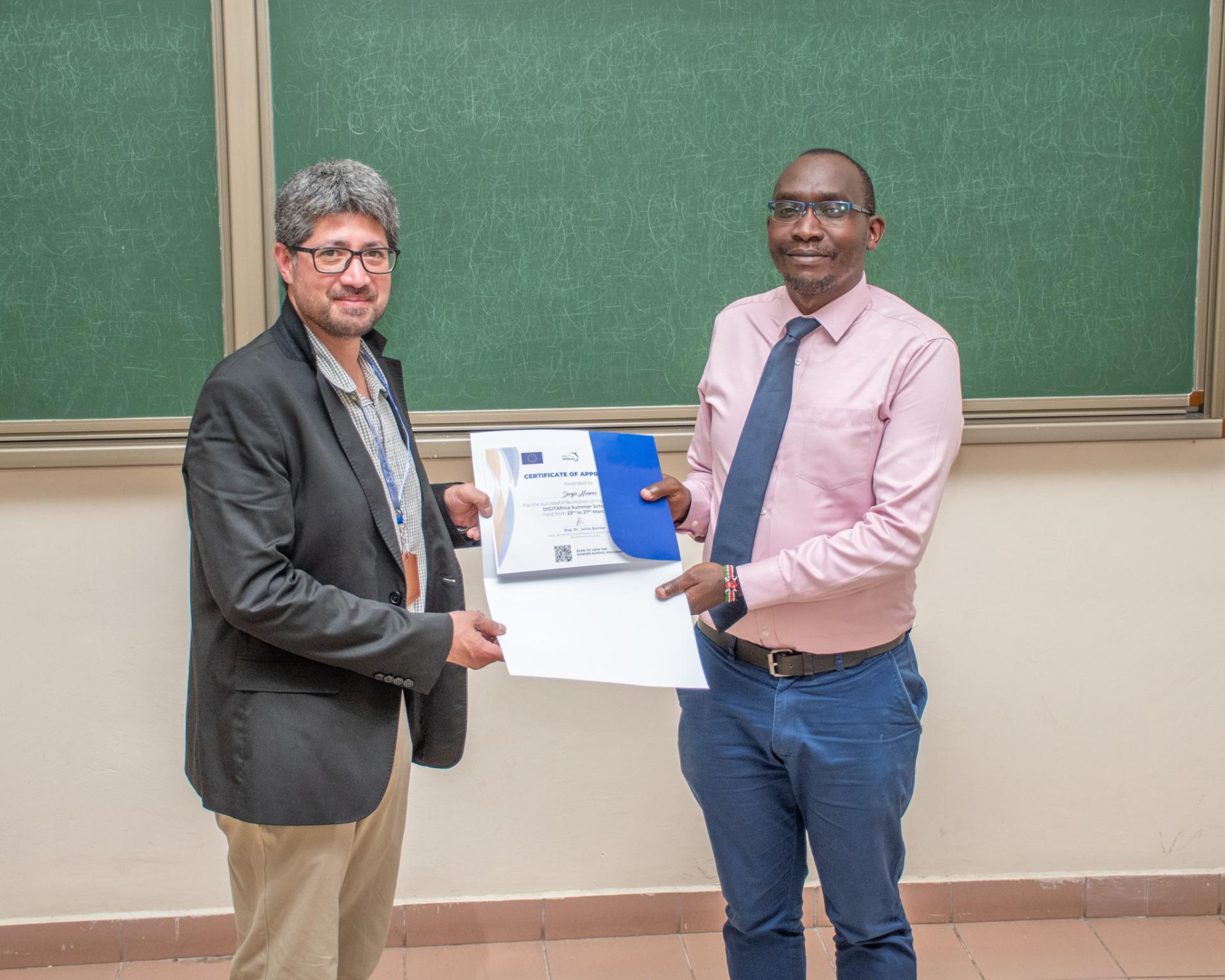
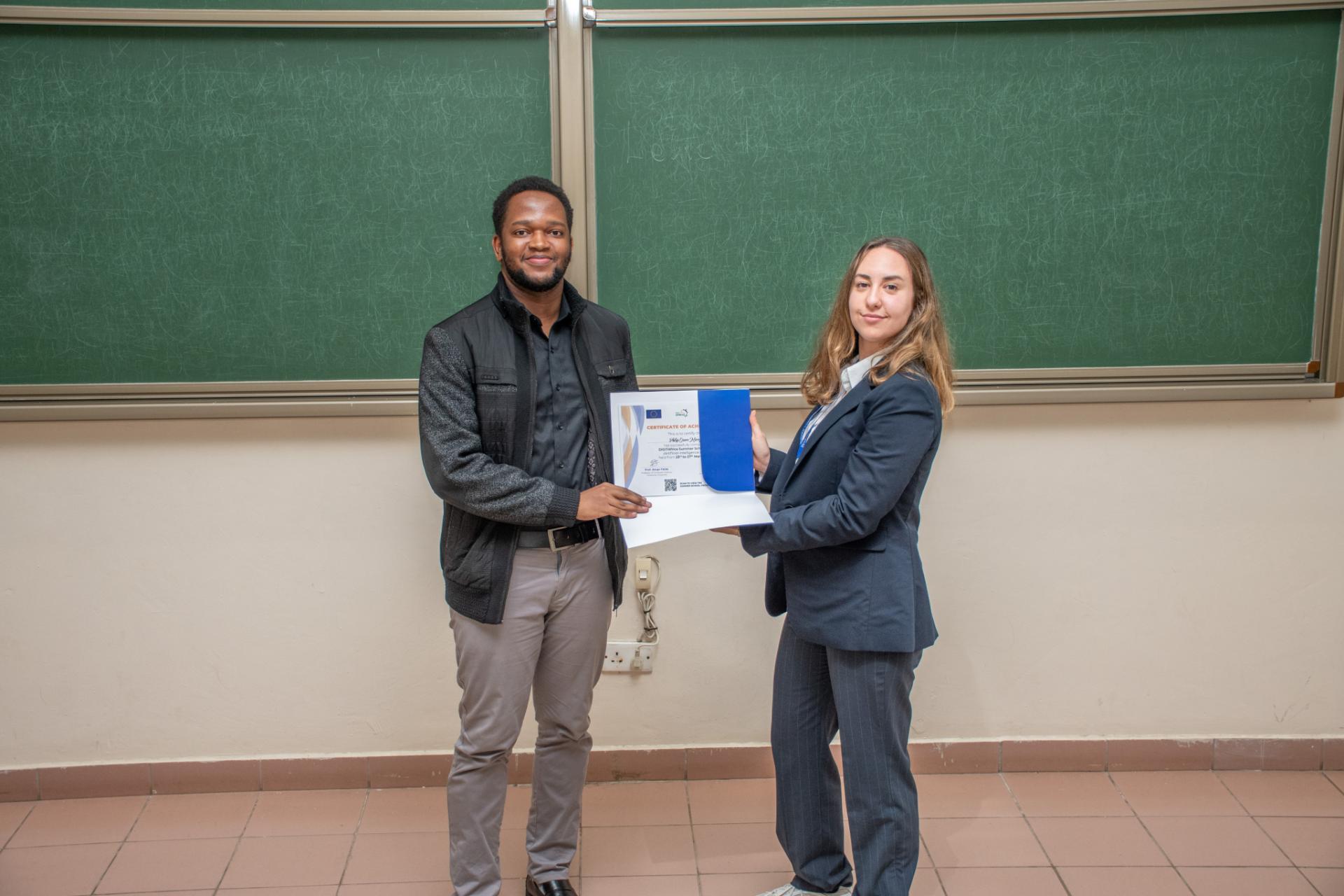
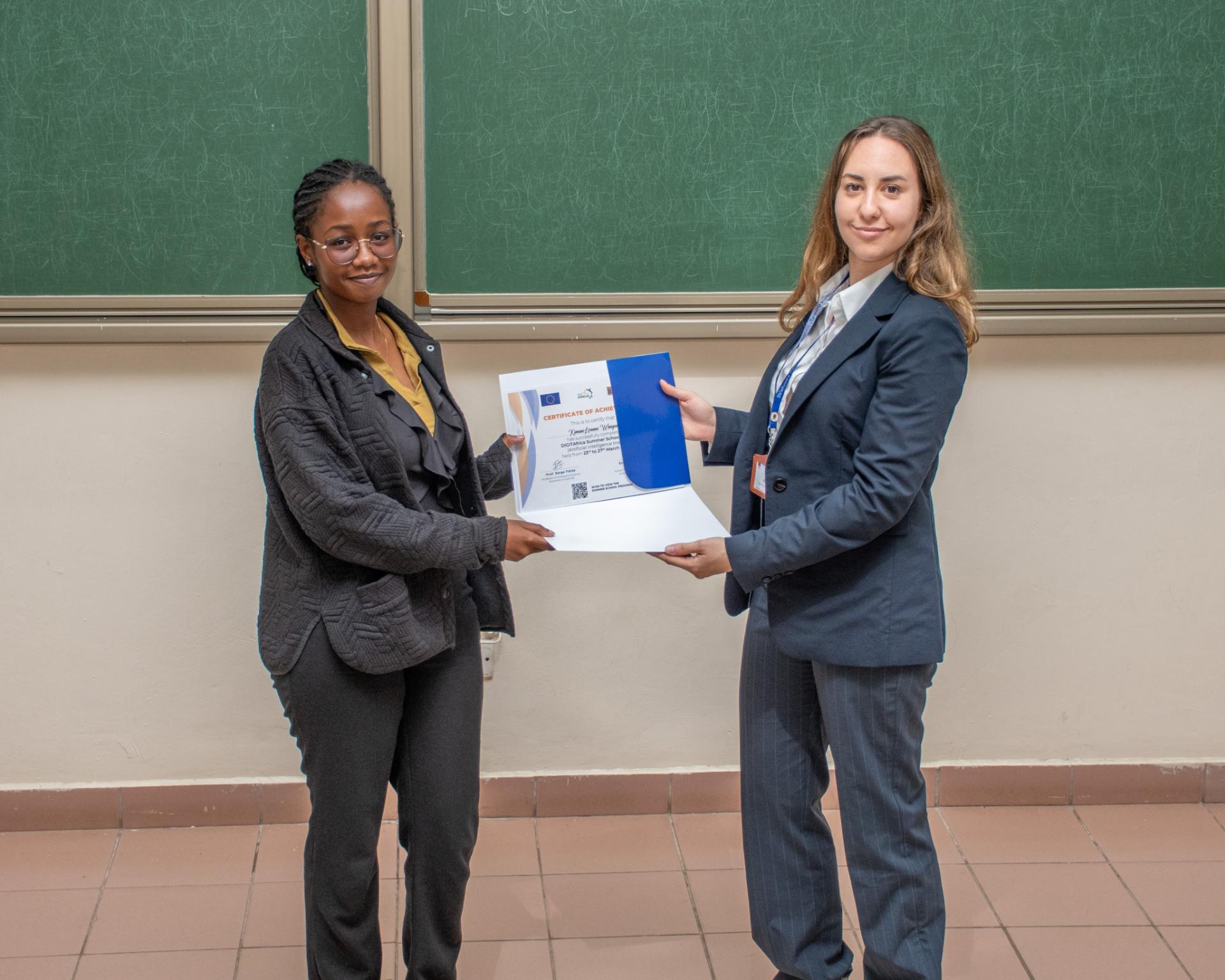
A closing event was held on the final day of the summer school. Students who completed at least 80% of course activities were awarded with a certificate of achievement by the Strathmore University School of Computing and Engineering Sciences (SCES). Trainers received a certificate of facilitation. The summer school provided opportunities for learners to interact with trainers in order to learn from the experience and mentored about opportunities in digital sciences.
Discover the Summer School by watching the official video below: