
DIGITAfrica’s Second Summer School: Four Days of Hands-on Learning and Innovation in Senegal
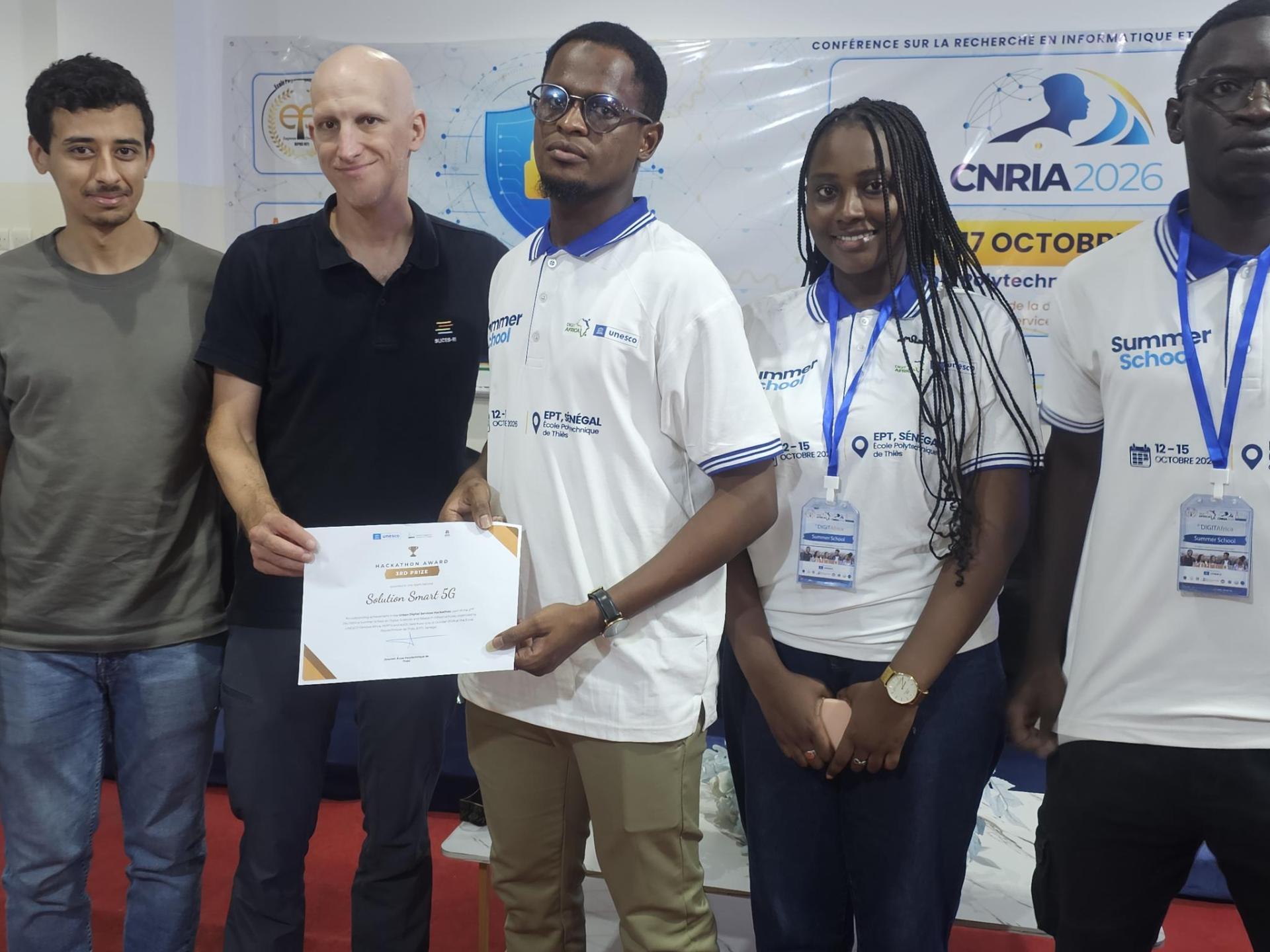
From 12 to 15 October 2026, the second DIGITAfrica Summer School on Digital Sciences and Research Infrastructures took place at École Polytechnique de Thiès (EPT), Senegal, bringing together 32 participants from seven Senegalese higher education and research institutions for four days of practical training, experimentation and knowledge exchange.
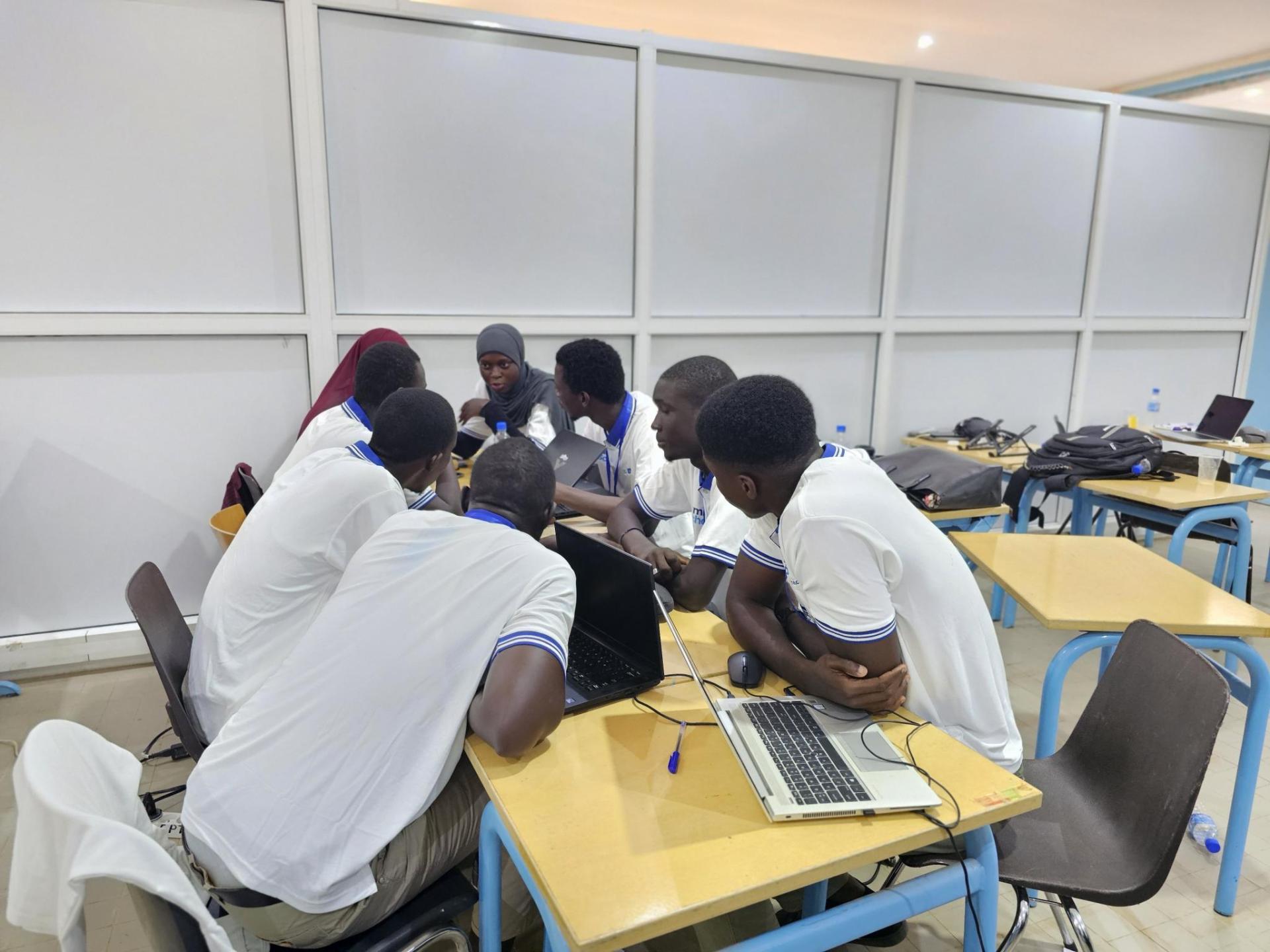
Organised within the framework of a partnership between UNESCO Campus Africa, REPFIS, ASCII and DIGITAfrica, the Summer School offered participants the opportunity to explore digital technologies and develop practical skills relevant to research infrastructures. Combining hands-on training with collaborative challenges, the four-day programme focused on two main areas: 5G network experimentation and AI-enabled digital services.
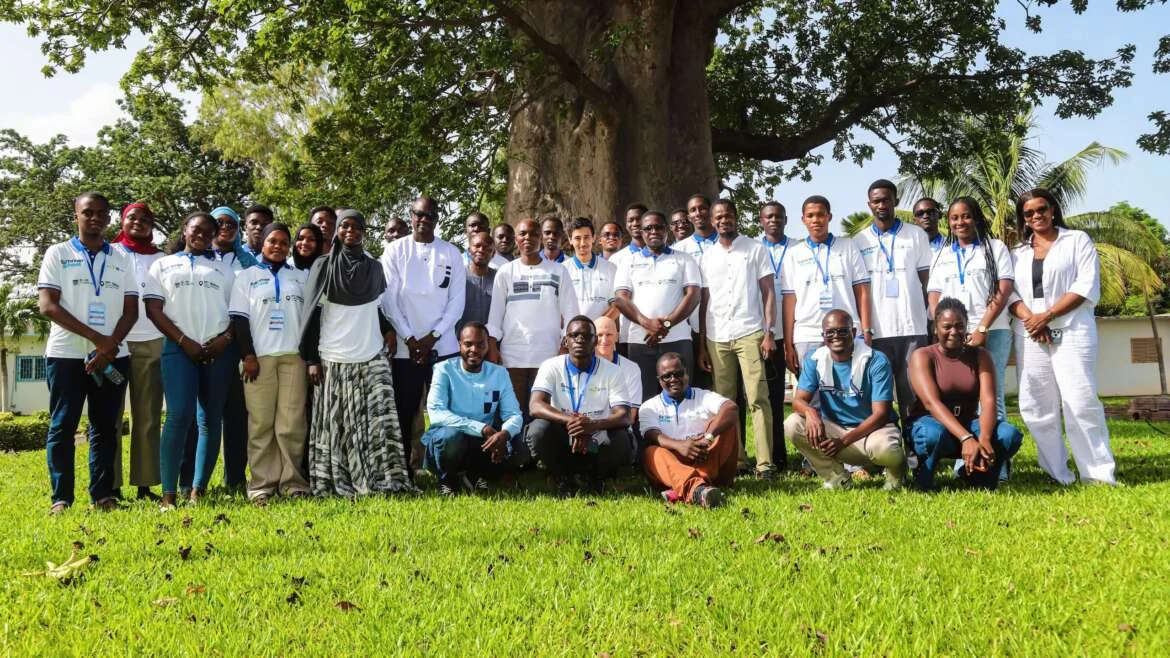
From 5G Fundamentals to Network Experimentation
The first two days were dedicated to “Introduction to 5G – An Experimental Approach”, a hands-on training programme covering the foundations of 5G networks and their practical deployment.
Participants were introduced to open-source 5G core and Radio Access Network (RAN) implementations, with sessions focusing on network configuration, traffic generation and analysis, and experimental research methods.
The programme also explored how radio network configurations can be adapted to different performance requirements, such as latency and bandwidth. A practical challenge focused on deploying a 5G New Radio (5G NR) network on campus, bringing together the technical concepts covered during the training.
Exploring AI-Enabled Services Through an Urban Digital Services Hackathon
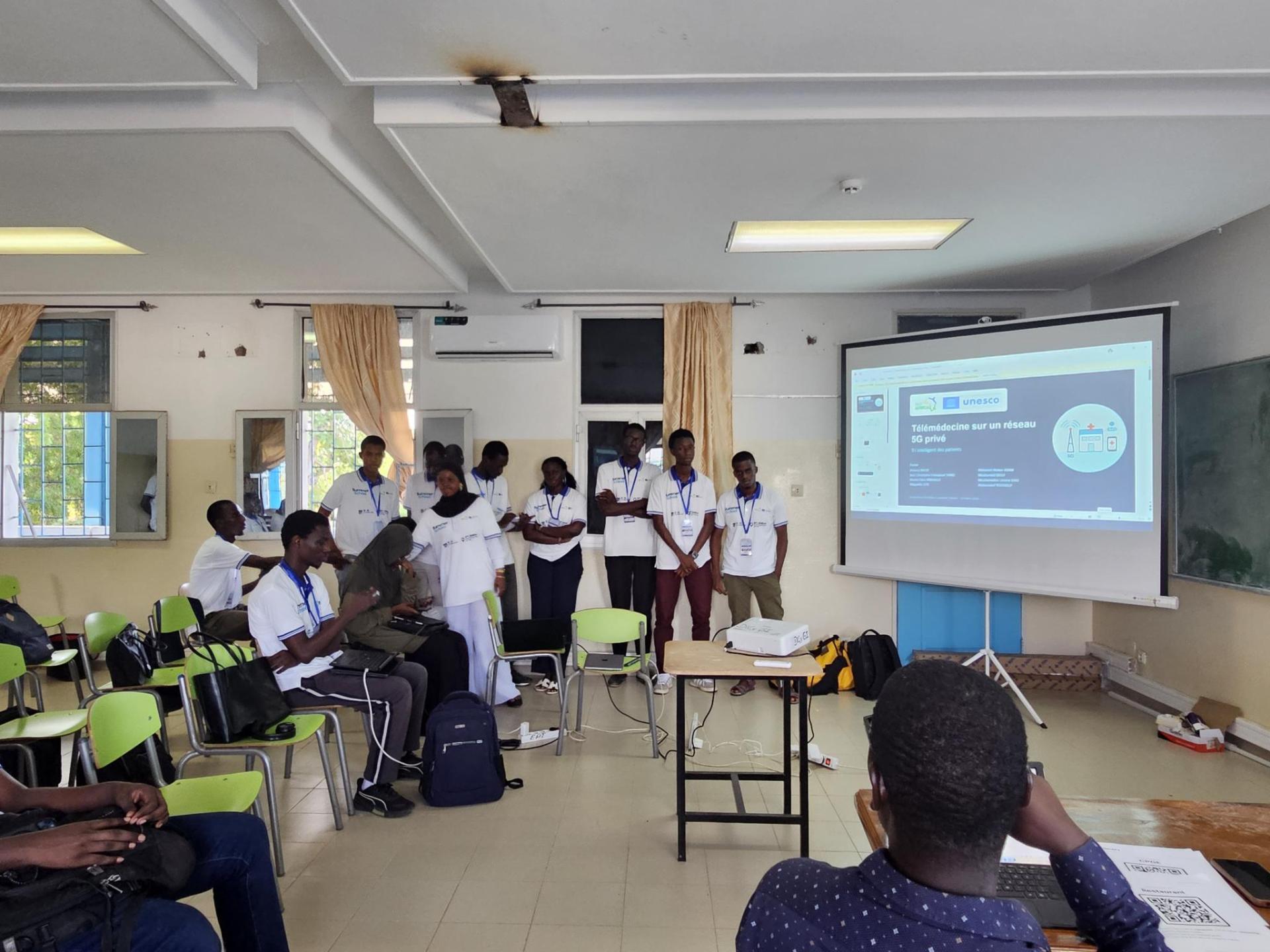
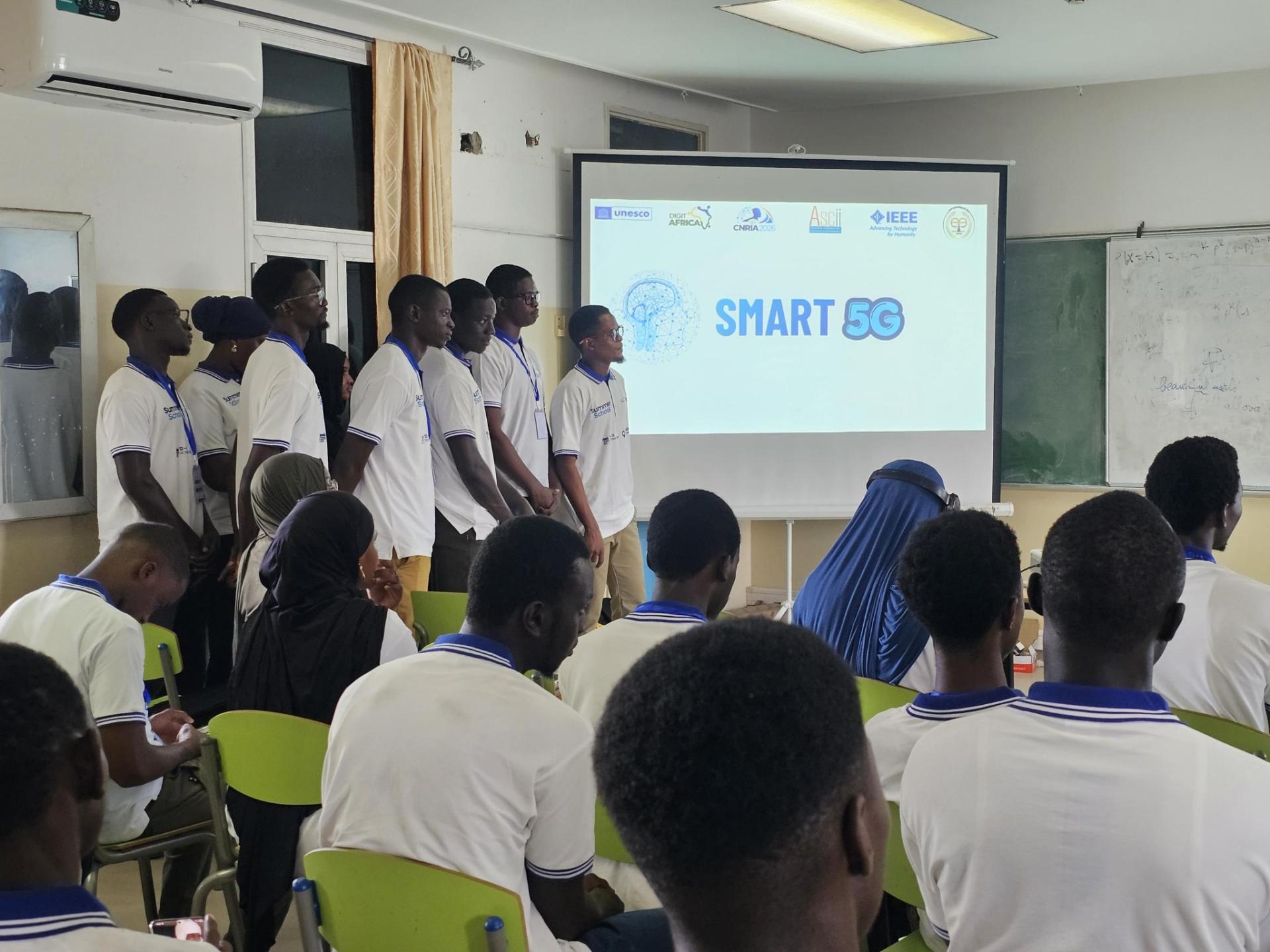
The final two days focused on the Urban Digital Services Hackathon, under the theme “Designing Affordable and Sustainable Digital Services for Smart Campuses and Urban Communities.”
The hackathon was designed to encourage participants to combine cloud-native infrastructure, heterogeneous networking and artificial intelligence to address practical challenges in educational and urban environments.
The programme proposed several challenge areas, including:
-
Smart Campus Analytics: Using data and AI-based analytics to explore campus operations, including energy consumption and classroom occupancy.
-
Urban Mobility Observatory: Exploring digital tools for analysing traffic congestion, public transport and pedestrian flows.
-
AI-Powered Digital Education: Designing cloud-native learning environments integrating data analytics and AI-assisted insights.
-
Community Connectivity: Developing approaches to monitor connectivity, network performance and community Wi-Fi services.
Through these challenges, participants were encouraged to explore the potential of affordable, sustainable and locally manageable digital infrastructure to support real-world applications.
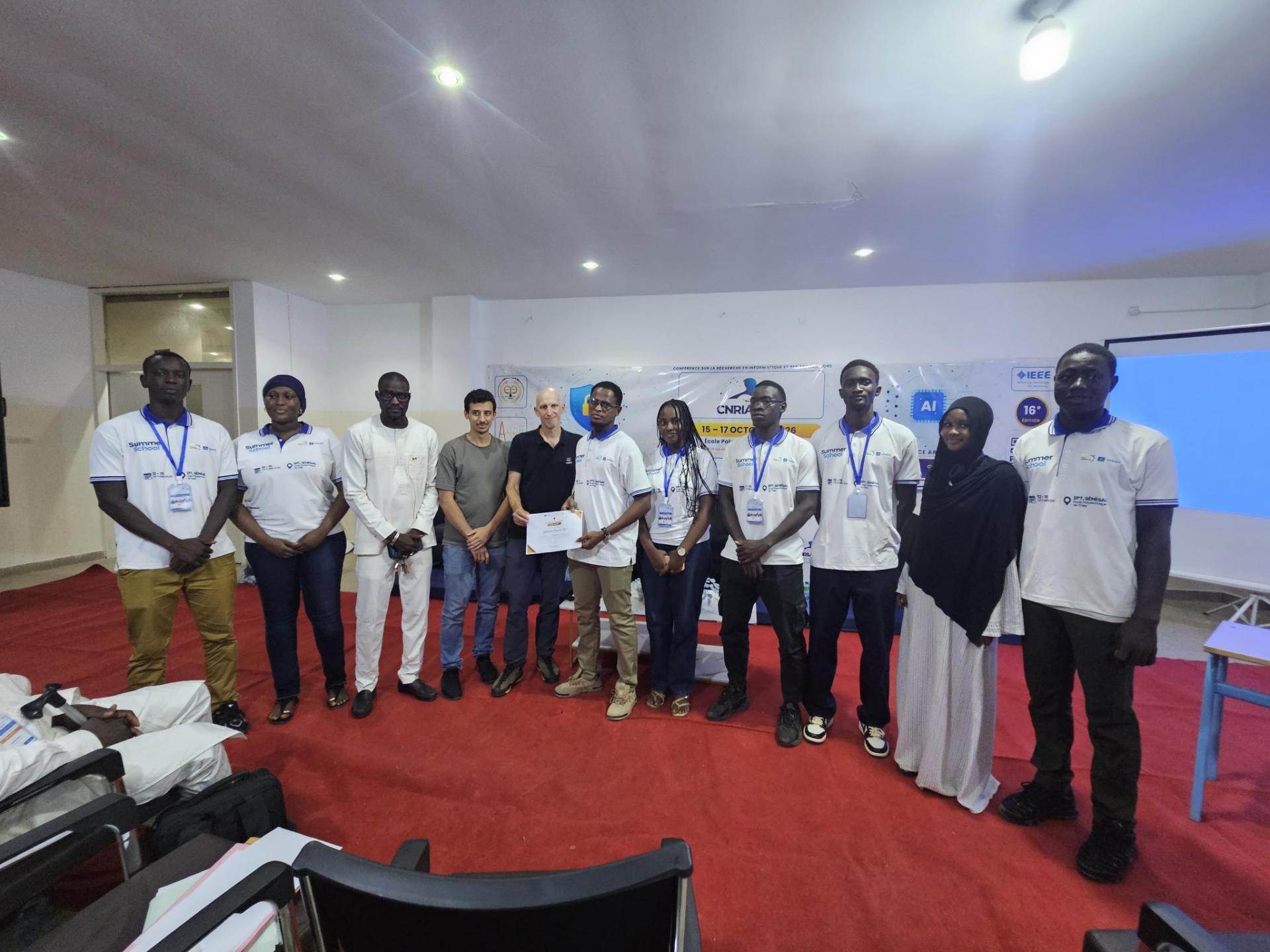
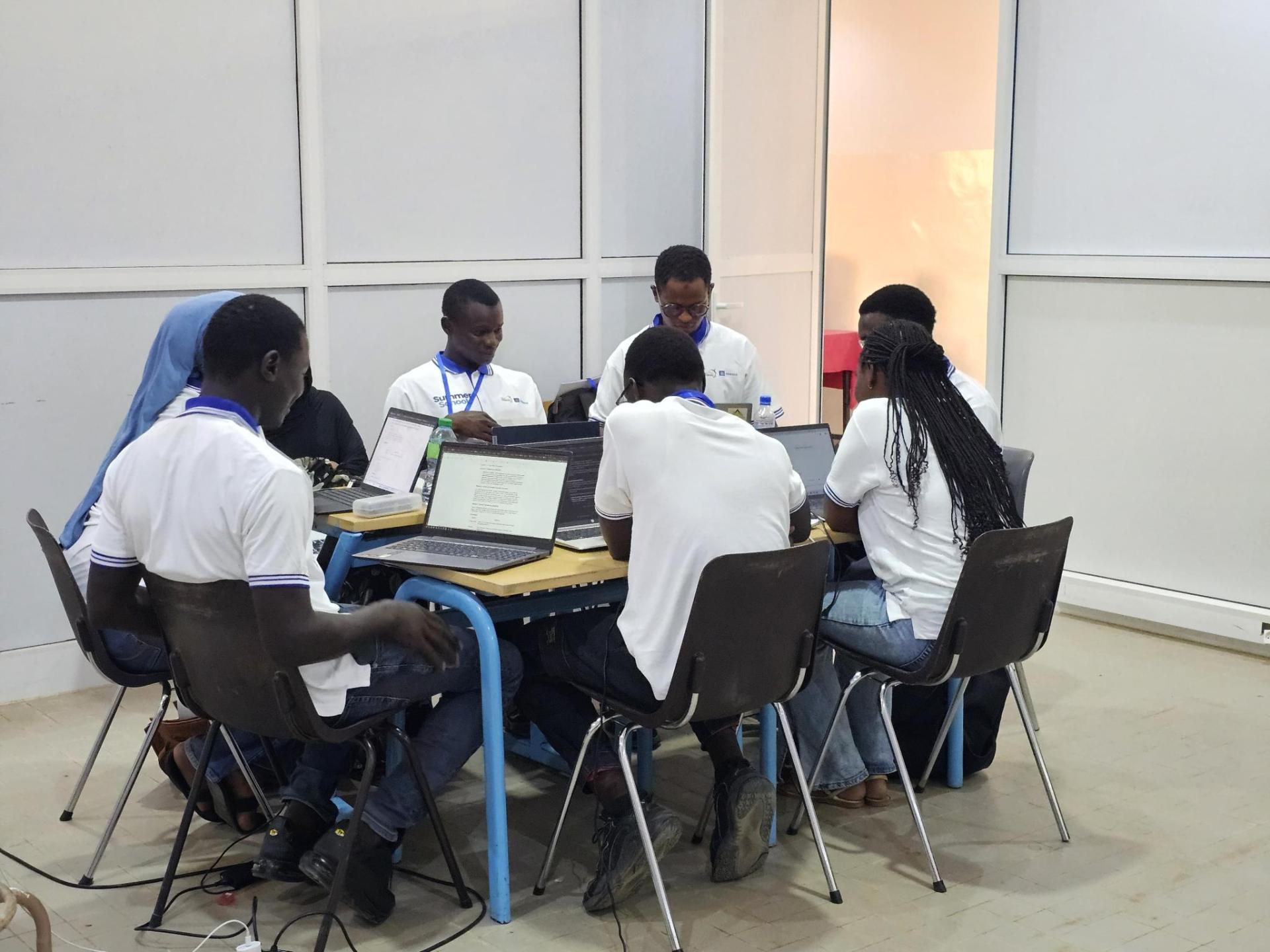
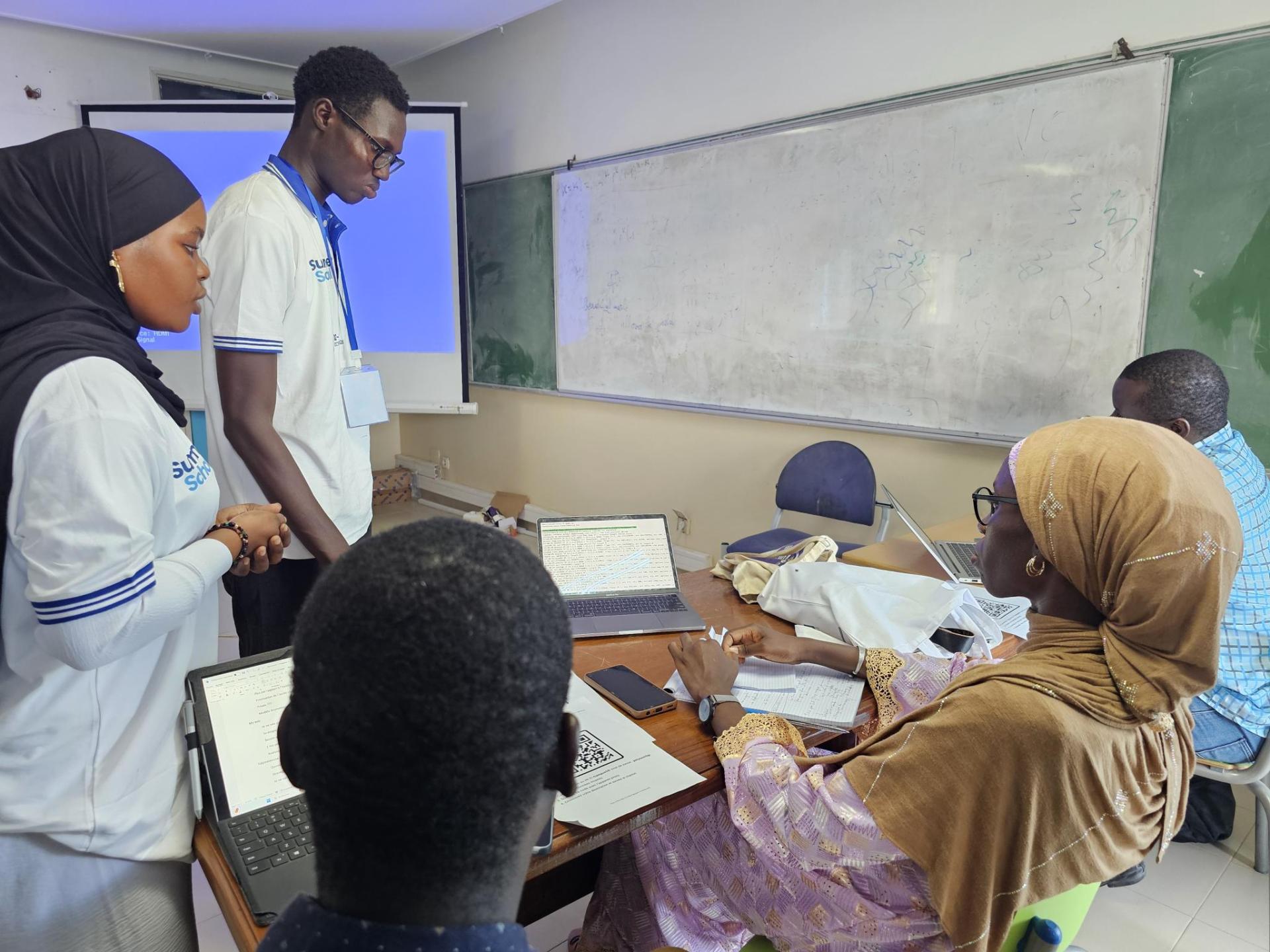
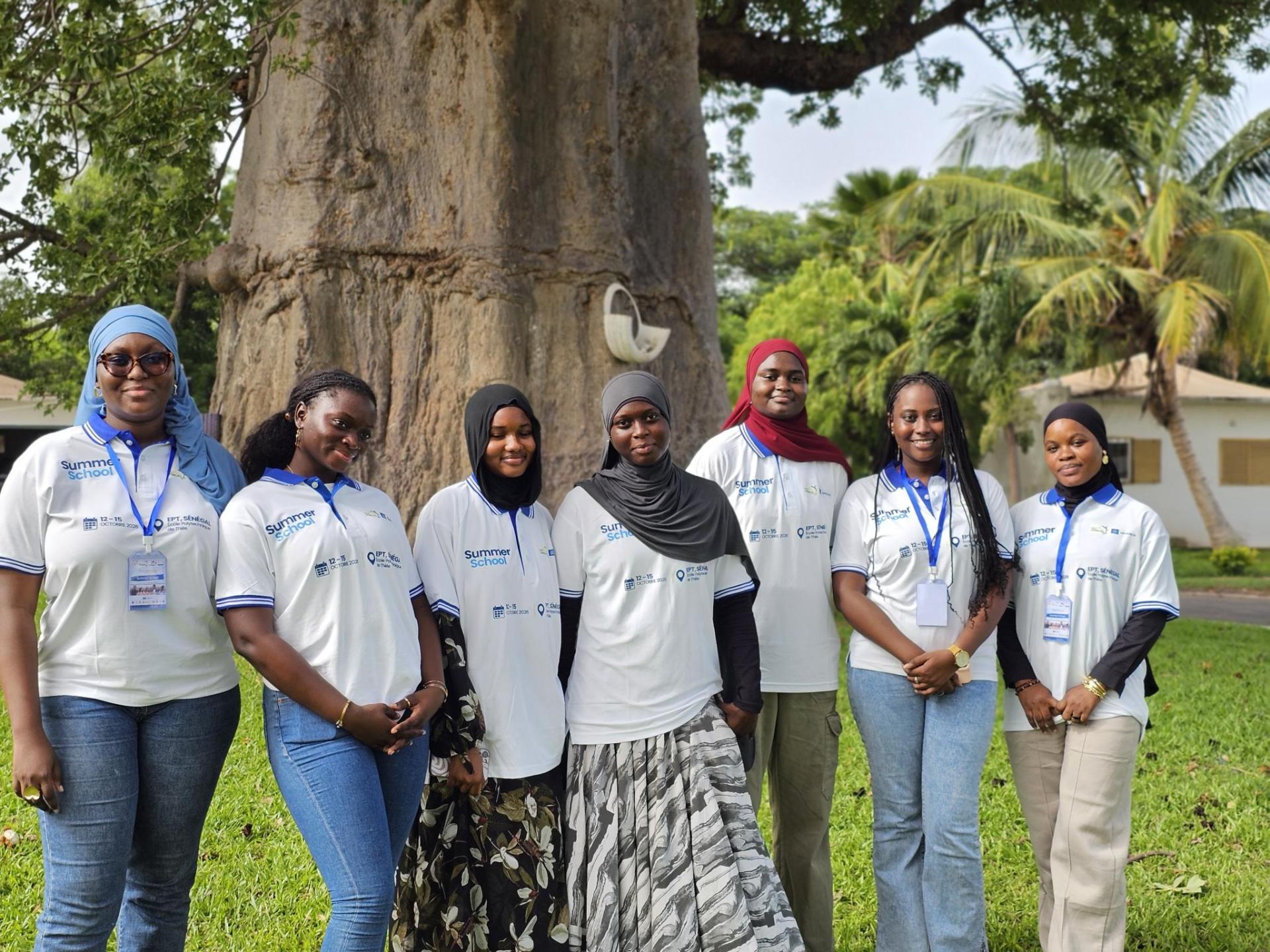
The Summer School highlighted the value of hands-on learning and knowledge exchange in bringing together the next generation of researchers and supporting the development of digital research capacities across Africa.
A warm thank you to everyone who contributed to making this event possible and to all participants for their enthusiasm and engagement!