DIGITAfrica Consultation Workshop
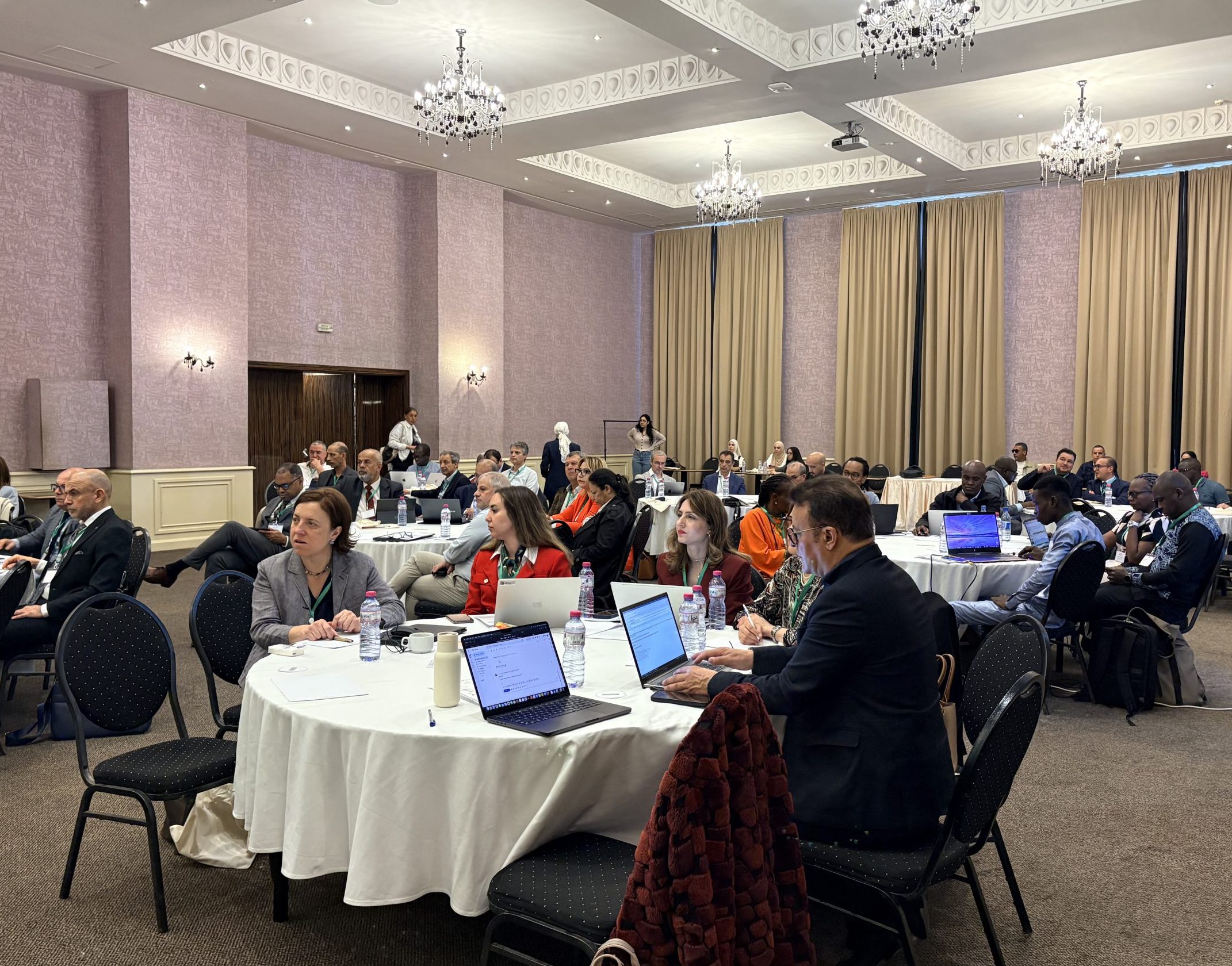
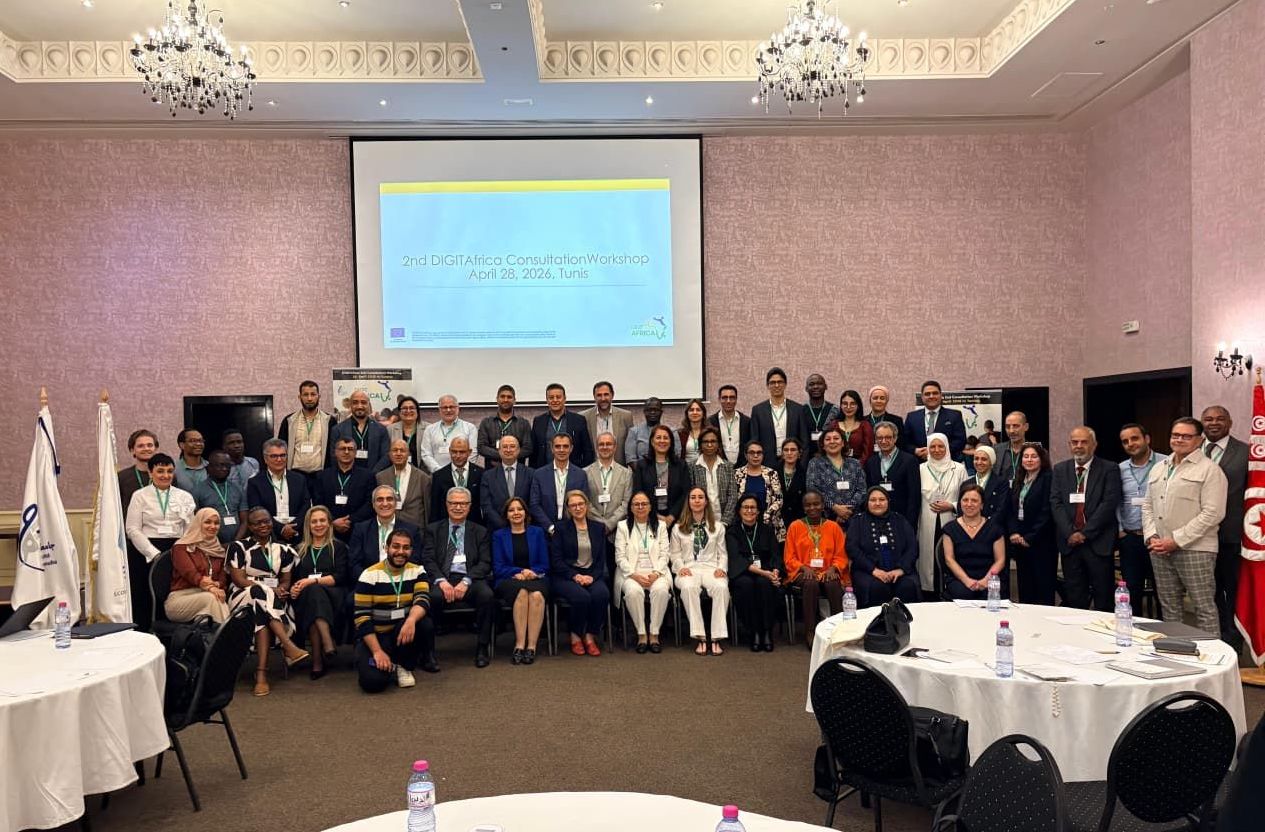
From 27 to 29 April 2026, the Université de la Manouba (UMA), in collaboration with ENSI, hosted the 2nd DIGITAfrica Consultation Workshop in Tunis. The event brought together policymakers, researchers, and partners from across Africa and Europe to discuss priorities, exchange perspectives, and contribute to the co-design of a research infrastructure in digital sciences aligned with Africa’s needs and ambitions.
The three-day event opened with a closed session dedicated to project partners on 27 April, followed by a focused consultation workshop on 28 April and hands-on sessions on 29 April 2026, open to a broader audience.
Workshop overview
Keynote Speeches
The workshop featured two keynote speeches. The first focusing on the DIGITAfrica vision and the European RI framework, and the second providing insights into the research landscape in Tunisia, each offering different perspectives
Panels & Sessions
The workshop facilitated constructive dialogue on key DIGITAfrica themes, including the landscape, funding opportunities, blueprints and proof-of-concepts, European experiences and national research perspectives.
Getting Involved
The workshop provided an opportunity for participants to become early adopters of DIGITAfrica Blueprints. It also highlighted the importance of the project’s long-term sustainability.
Hands-on Sessions
The last day focused on hands-on sessions, giving participants the opportunity to dive into practical applications with the European platforms SoBigData and SLICES-RI.
Advancing Our Mission Through Engagement
Speakers
Attendees
Meetup Hours
Registrations for the hands-on sessions
The event demonstrated strong participation and engagement across all activities. It brought together a diverse group of speakers, panelists, and moderators, ensuring a well-structured programme with interactive sessions and dedicated discussion time. It also reflected broad engagement from stakeholders across governmental bodies, international organizations, NGOs, research institutions, and industry actors.
More than a meeting
Beyond its structured programme, the workshop fostered a collaborative space for dialogue and exchange. Participants and partners discussed key challenges, opportunities, and priorities for strengthening cooperation in digital sciences.
The interactions throughout the different sessions helped foster a shared understanding of priorities and next steps, while also raising awareness of the project beyond the consortium itself.
More than a meeting, it served as a space for aligning perspectives and advancing a collective vision for the future of pan-African research collaboration.